


The Medieval Castellaccio Tower
The Castellaccio Tower stands majestically within the Castellaccio Necropolis, a valuable archaeological site located in Civita Castellana, in the heart of the Tuscia Viterbo area.
This site, now protected by the FAI (Italian Environment Fund), represents a perfect blend of history, nature, and archaeology.
Origins and Historical Context
The tower dates back to the medieval period, likely between the 13th and 14th centuries, and was built on a tuff hill in a strategic position between two rivers.
Its original function was as a watchtower and defense, useful for monitoring the surrounding territory and protecting communication routes.
The site on which the tower stands is even older: the Castellaccio Necropolis houses Faliscan tombs dating back to the pre-Christian period, evidence of the presence of the ancient Faliscan people, who had their capital in Falerii Veteres (present-day Civita Castellana).
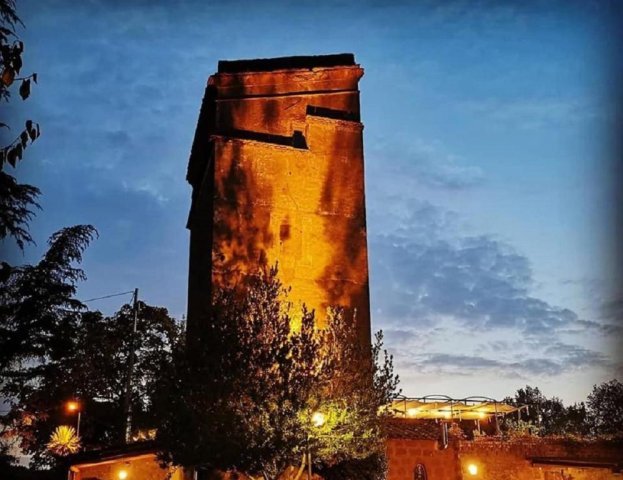
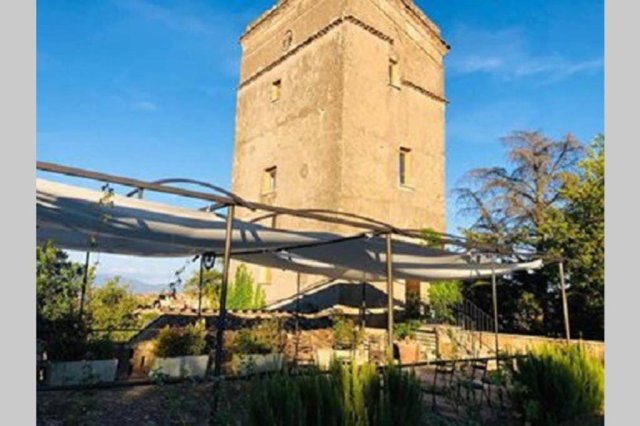

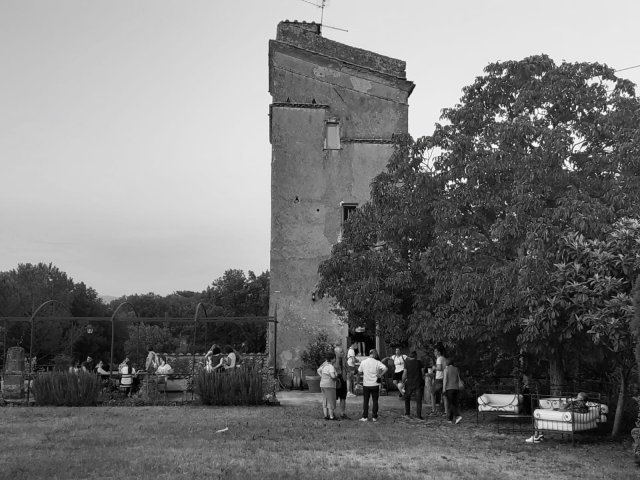
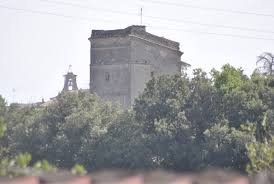
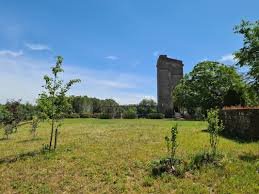
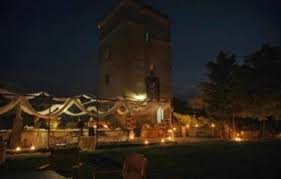
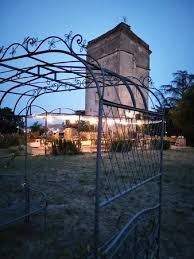
Architecture and Transformations
The tower is built of local stone and features the typical characteristics of medieval defensive structures: thick walls, few openings, and a dominant position.
Over the centuries, it has undergone several transformations, until it was restored and is now used as a private residence or accommodation facility, maintaining its historic charm intact.
Landscape and Enhancement
Surrounded by approximately 7 hectares of woodland, the tower offers a panoramic view of the town of Civita Castellana and Forte Sangallo, another important historical site in the area.
The FAI (Italian National Trust) has launched projects to enhance the site, making it accessible and promoting awareness of the local cultural heritage.
Conclusion
The Torre del Castellaccio is not only a medieval monument, but a symbol of the historical stratification of Civita Castellana. From the Faliscan civilization to the Middle Ages, up to its contemporary rebirth, it represents a point of reference for those wishing to discover the deep roots of the Viterbo area.