


The Faliscan Necropolis of Castellaccio
History and Culture
Located in the heart of the Agro Falisco, near Civita Castellana, the Castellaccio Necropolis is one of the most fascinating archaeological sites in Lazio. This ancient burial ground, nestled in a breathtaking natural landscape, offers a precious testimony to the funerary traditions of the Faliscan people, an Italic civilization that flourished between the 10th and 3rd centuries BCE.
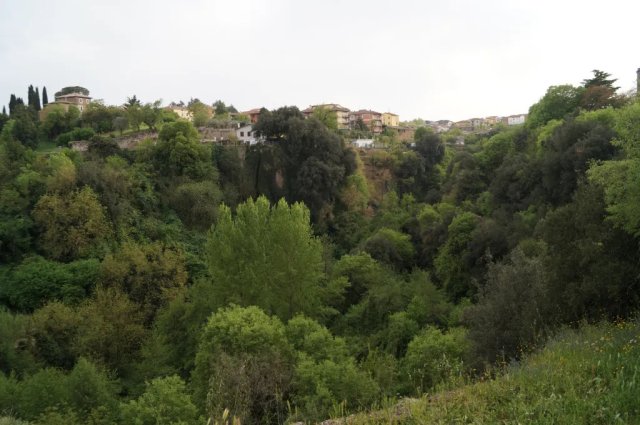
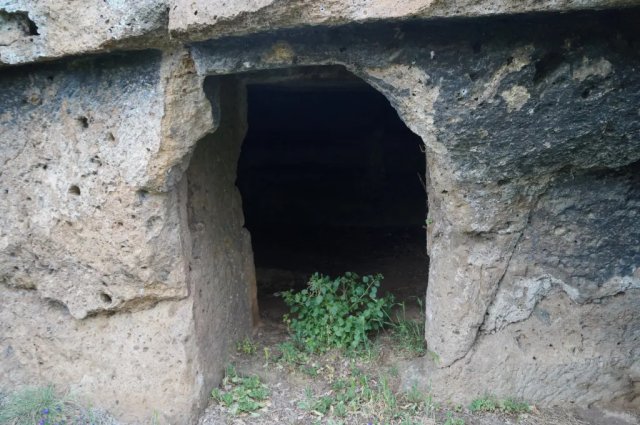
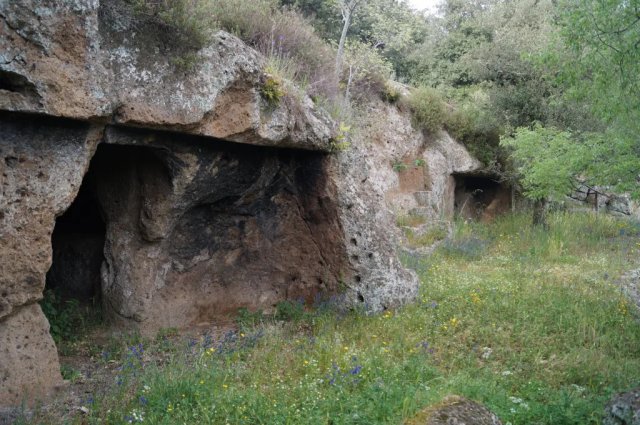
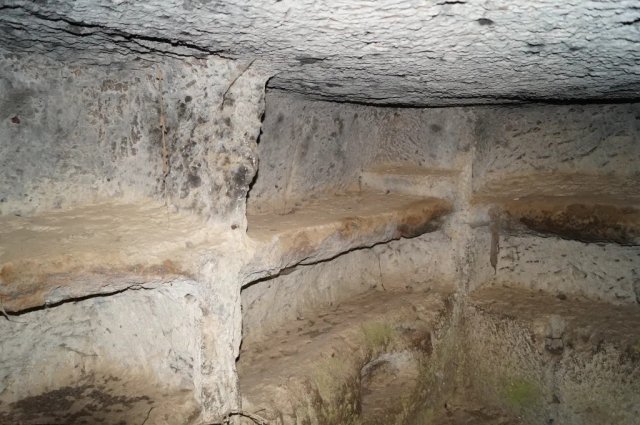
This place, immersed in nature, tells the story of the Falisci, a people culturally close to the Etruscans but with a Latin-based language. The tombs, some chambered and others columbarium-style, reflect the funerary practices and artistic evolution of the Faliscan community. The site is surrounded by a forest of about 7 hectares, overlooking the historic center of Civita Castellana and the Forte Sangallo.
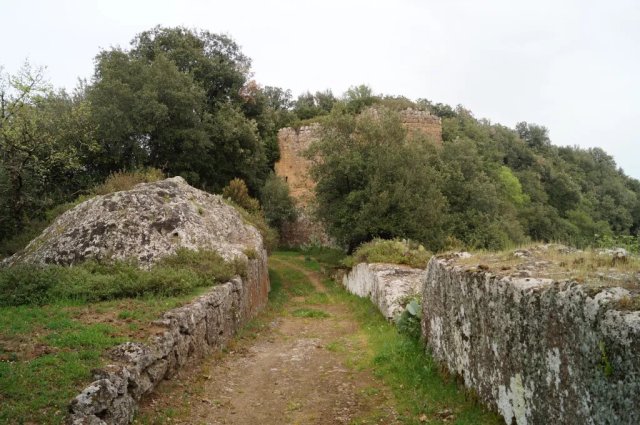
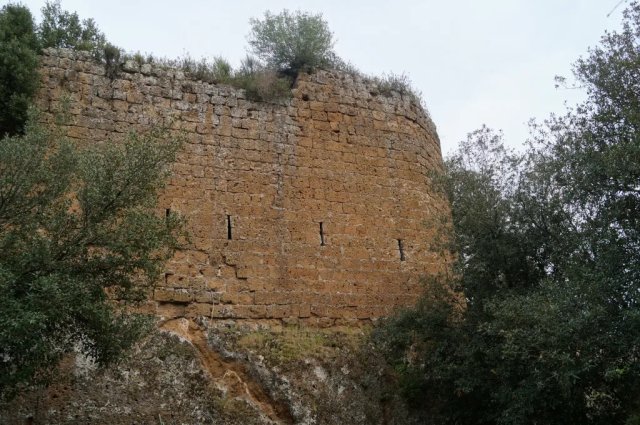
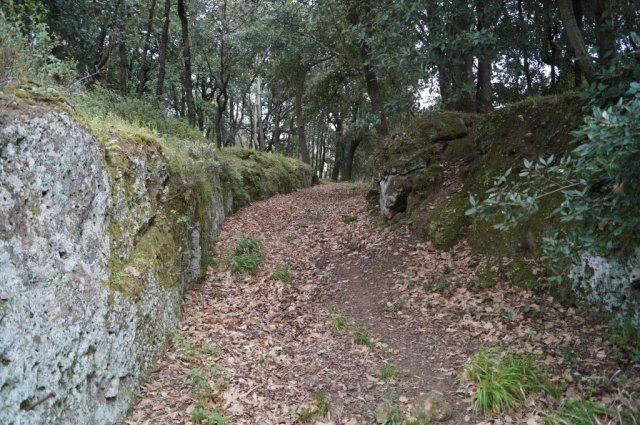
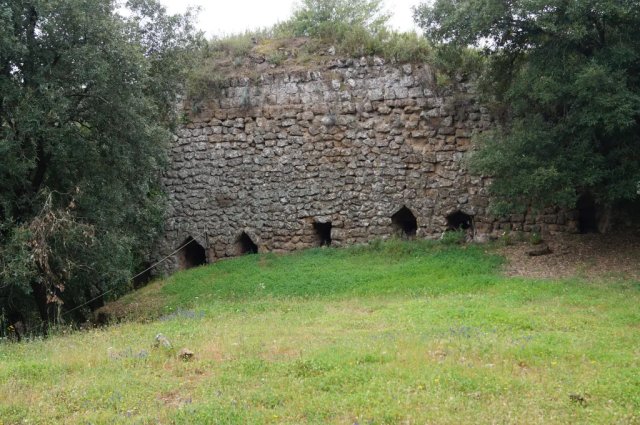
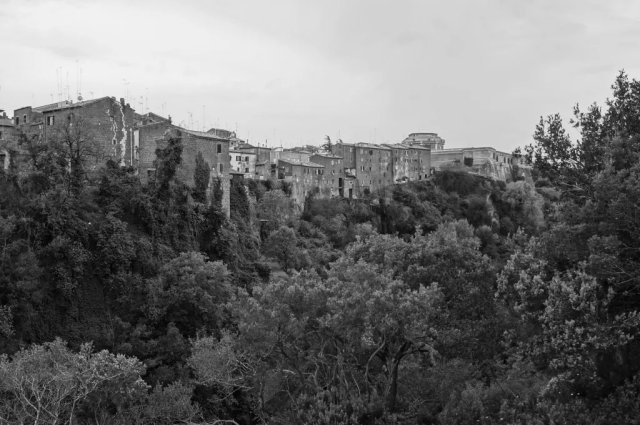
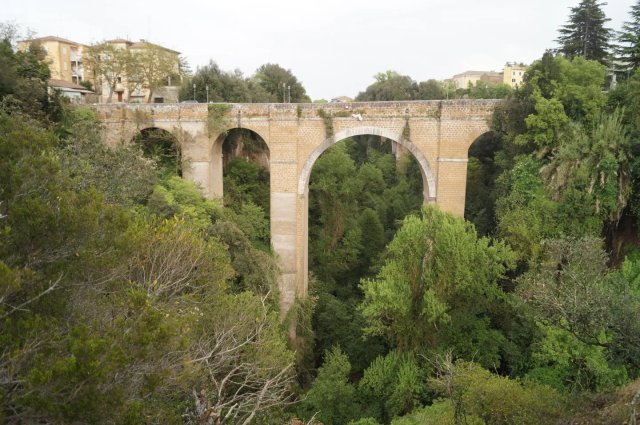
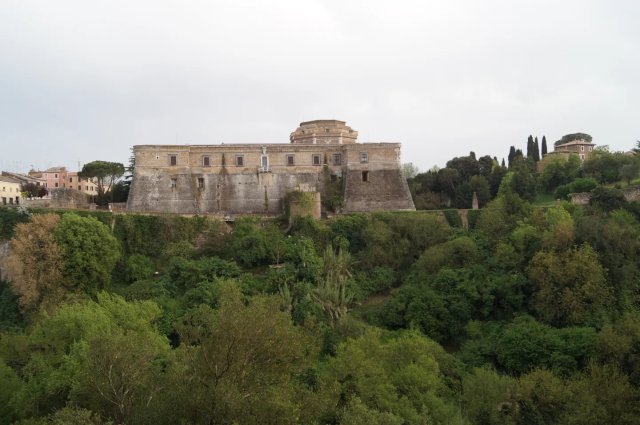
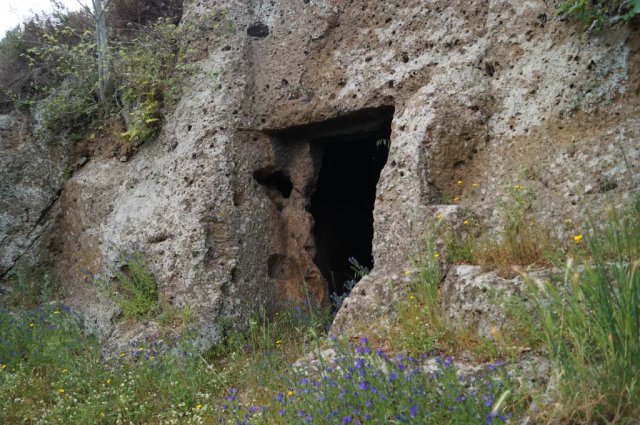
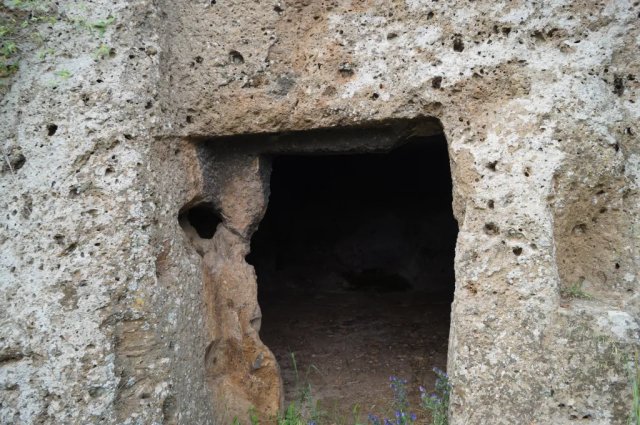
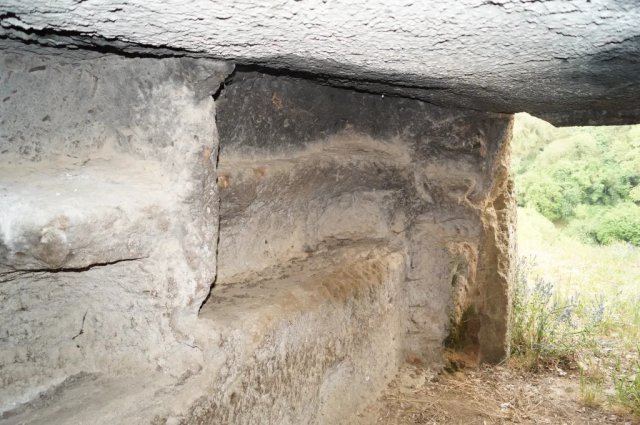
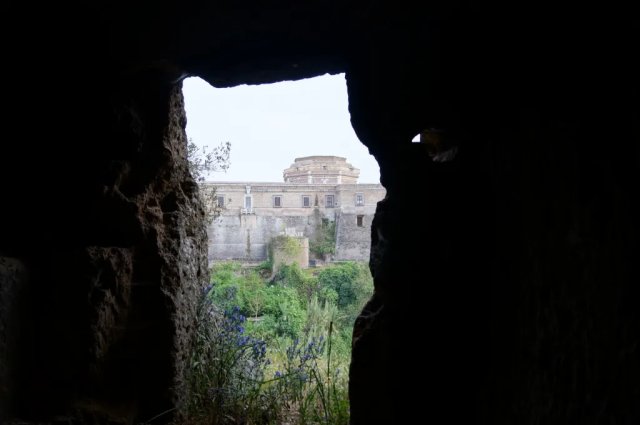
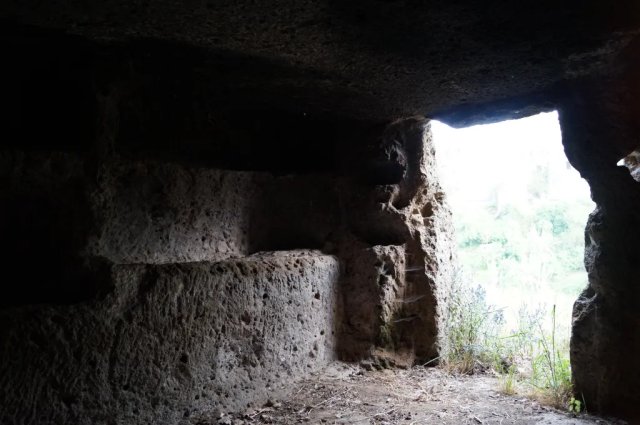
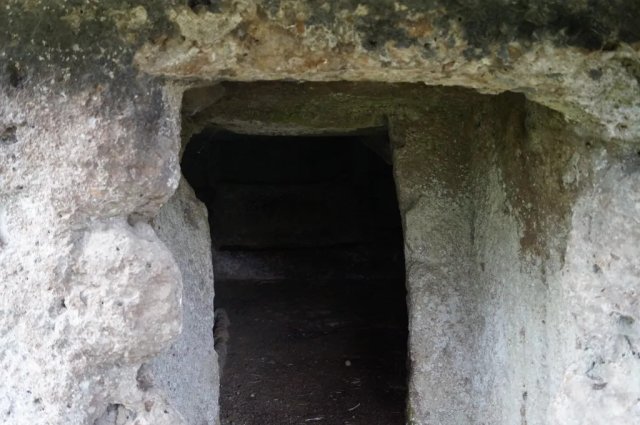
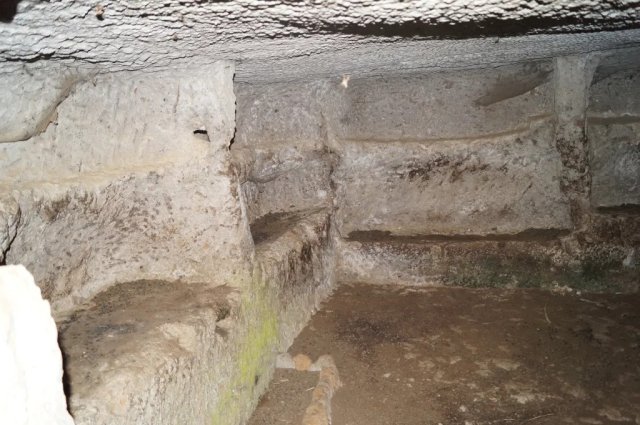
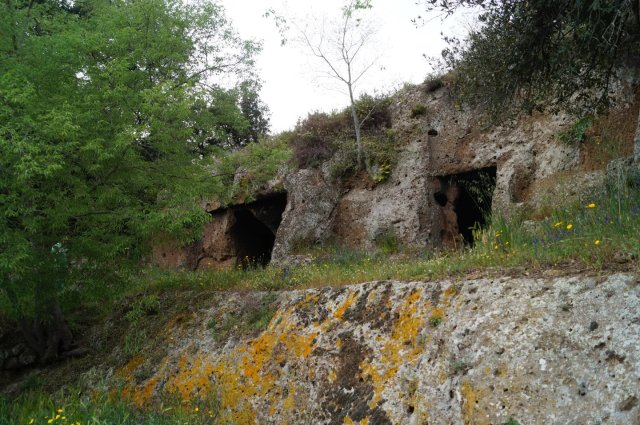
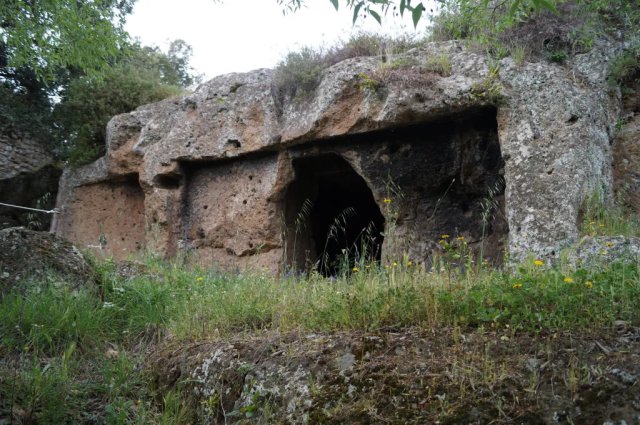
The necropolis is closely linked to the ancient city of Falerii Veteres, now Civita Castellana, the historical capital of the Falisci. Though culturally similar to the Etruscans, the Falisci spoke a Latin-derived language and were known for their ceramic art and temple architecture.
The tombs at Castellaccio show a variety of styles that reflect the artistic and spiritual development of the Faliscan community. The necropolis is a true historical and natural paradise in the heart of Civita Castellana.
Situated on a plateau bordered by the gorges of the Rio Maggiore and Rio Purgatorio, this ancient “city of the dead” is part of a much larger necropolis: Terrano. Unfortunately, despite being considered one of the best-preserved necropolises of ancient Falerii Veteres, many tombs are no longer visible due to their reuse over the centuries as agricultural storage, animal shelters, or because they now lie on private property.
As recorded by George Dennis in his travel diary around 1840, when he visited the site, it featured a large number of tombs and inscriptions, confirming its historical significance.
Site Attractions
- Well-preserved tombs: with terracotta decorations and architectural structures showcasing the craftsmanship of ancient builders.
- Mystical atmosphere: surrounded by hills and vegetation, ideal for photography and quiet reflection.
- Easy access: reachable from Rome by train or car, with parking available nearby.
- Guided tours: available to explore the history of the site and the Faliscan people.
- Close to Civita Castellana: where you can visit the Archaeological Museum of the Agro Falisco, the Romanesque Cathedral, the Borgia Fortress, and the Ceramics Museum.
Visitor Tips
- Visit the site in the morning or at sunset to enjoy the best lighting.
- Wear comfortable shoes: the terrain is uneven.
- Combine your visit to the necropolis with a tour of the city for a complete experience of history, art, and nature.
Say about us
Hidden Treasures of the Faliscan Country General Catalogue of Cultural Heritage